
Planning Commercial Property Repairs Without Disrupting Daily Operations
Commercial property repairs can be difficult to schedule when a business needs to remain open and productive. Construction activity, restricted access, equipment shutdowns, and contractor traffic can all affect employees, customers, deliveries, and other daily responsibilities. Without a clear plan, even necessary maintenance can create avoidable interruptions.
The key is to treat property repairs as part of the business’s operational planning rather than as separate projects. Businesses can identify which areas and systems are most important, schedule disruptive work strategically, and coordinate contractors before work begins.
A proactive approach makes it easier to address building problems before they become emergencies. It also gives businesses more control over when and how repairs take place, helping property improvements move forward without unnecessarily interfering with everyday operations.
Plan Interior Projects Around Employee and Customer Traffic

Interior repairs can affect the way employees, customers, vendors, and deliveries move through a commercial property. Before scheduling work, identify the areas that experience the most traffic and determine whether the project will block entrances, hallways, offices, or other frequently used spaces. This information can help businesses select work periods that create fewer interruptions.
When an interior project involves entrances or other access points, businesses should also consider how temporary changes will affect security and daily movement. For example, installing custom interior doors may require contractors to work in occupied areas or temporarily restrict access between rooms. Planning these activities during slower periods can make the project easier to manage.
Businesses should establish a basic access plan that includes:
- Areas that will be closed temporarily
- Alternate routes for employees and visitors
- Contractor entry and staging locations
- Times when traffic is normally lowest
- Employees who need advance notice
Clear communication can prevent confusion once work begins. Employees should know which areas are unavailable, where they should go instead, and how long temporary changes are expected to last. A little preparation can keep a localized project from creating unnecessary disruption throughout the property.
Address Roof Problems Before They Affect Business Operations
Roof problems can become operational concerns when water enters occupied areas or repairs require access to parts of the property that employees depend on. Businesses should monitor roofing conditions and address developing problems before they interfere with workspaces, inventory, equipment, or customer areas.
Scheduling flat roof repair requires more than selecting a convenient appointment. Businesses should consider weather conditions, rooftop access, contractor staging areas, and what is located directly below the work zone. If a repair requires equipment or materials to be moved through active areas, those logistics should be addressed before the contractor arrives.
A useful planning checklist includes:
- Review the location of the damaged area
- Identify rooms directly below the work
- Select an appropriate service window
- Establish contractor access routes
- Protect vulnerable equipment or inventory
Businesses should also coordinate roof repairs with other maintenance projects that may require rooftop access. Handling compatible work within the same planned maintenance period can reduce repeated disruptions. It can also prevent one contractor’s work from interfering with another project’s schedule.
Schedule Plumbing Work Around Critical Business Activities
Plumbing systems support many routine business activities, so taking part of the system offline can affect employees, customers, production, food preparation, or other essential operations. Before scheduling repairs, businesses should identify which fixtures and areas depend on the affected plumbing and determine how long access may be limited.
A plumbing service appointment should be placed on the maintenance calendar with the business’s normal schedule in mind. If restrooms, kitchens, utility areas, or production spaces will be affected, scheduling the work during a slower period can reduce the number of people who encounter temporary restrictions.
Before the work begins, identify:
- Which fixtures will be unavailable
- Whether water service must be interrupted
- Which employees need advance notice
- Where contractors can enter and work
- How affected areas will be accessed afterward
Businesses can also look for opportunities to address related plumbing concerns during the same service window. Combining compatible work may reduce the need for repeated closures and contractor visits. The goal is not simply to complete the repair, but to complete it in a way that fits the property’s operational schedule.
Locate Hidden Problems Before They Cause Major Disruptions

Some building problems are difficult to identify because the visible symptoms do not reveal the actual source. Moisture, recurring dampness, unexplained water use, or changes in system performance can indicate a problem that needs investigation. Addressing these warning signs early can help businesses avoid waiting until the issue affects an occupied area.
A leak detection service can help identify the source of a suspected leak without immediately disrupting large portions of the property. Businesses should document where symptoms appear and provide that information to the contractor before the inspection. This can help focus the investigation and make access planning easier.
Businesses should pay attention to:
- Recurring moisture in the same location
- Water appearing away from obvious fixtures
- Unexplained changes around walls or ceilings
- Areas where previous leaks have occurred
- Signs that a problem is getting worse
Once the source has been identified, businesses can determine what repairs are necessary and when they can be completed. Investigating early also gives management more control over scheduling instead of forcing the business to respond to a sudden failure during a busy operating period.
Plan Major Roofing Work in Manageable Phases
Large roofing projects can involve substantial equipment, materials, contractor activity, and temporary restrictions. Rather than treating the entire project as one disruption, businesses should determine whether the work can be organized into manageable phases. A phased approach can make it easier to keep unaffected parts of the property operating normally.
Before scheduling a roof replacement, management should understand which portions of the property will be affected at each stage. The business can then plan around deliveries, events, busy periods, employee schedules, and other activities that require normal access to the building.
Important planning considerations include:
- Divide work into practical phases when possible
- Identify areas affected by each phase
- Coordinate material deliveries
- Establish safe contractor access
- Protect equipment and inventory near work zones
Communication should continue throughout the project rather than occurring only before work begins. Employees should know which areas are affected and whether access routes will change as the project progresses. Businesses should also maintain regular contact with contractors so unexpected changes can be addressed before they interfere with operations.
Prepare a Response Plan for Unexpected Water Damage
Some property disruptions cannot be scheduled. A plumbing failure, roof problem, or other building issue can suddenly affect occupied spaces and require immediate action. Businesses should have a basic response plan in place so employees know what to do when water enters the property.
The first priority is identifying the affected area and determining whether employees, customers, equipment, inventory, or documents could be exposed to further damage. Businesses should also know who is responsible for contacting the appropriate contractors and who can authorize emergency work.
A basic response plan should identify:
- Employees responsible for reporting incidents
- Areas where water problems are most likely to occur
- Equipment or inventory that needs protection
- Emergency access points for contractors
- Procedures for documenting affected areas
Prompt water cleanup can help the business begin restoring normal use of affected spaces. Once the immediate problem is controlled, management can determine whether additional repairs are necessary. Having these responsibilities established ahead of time can reduce confusion and help the business respond more efficiently when an unexpected problem occurs.
Schedule Heating System Repairs Before They Become Operational Problems
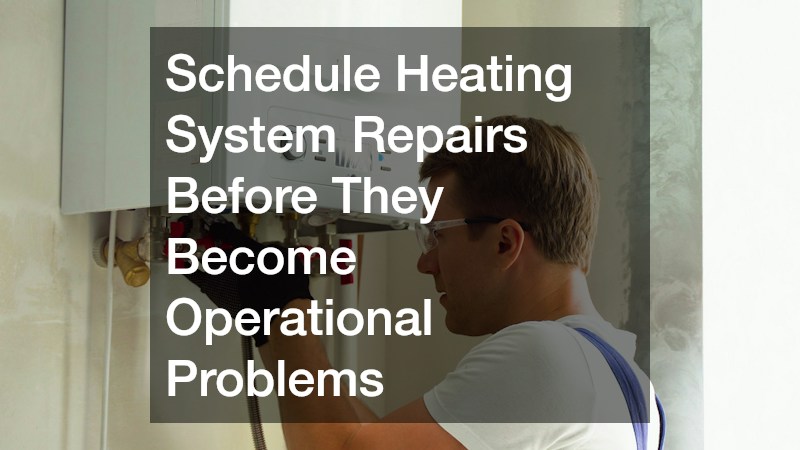
Heating problems can become particularly disruptive when a business depends on consistent indoor temperatures for employees, customers, equipment, or other operations. Rather than waiting for a complete failure, businesses should monitor heating systems and address performance changes before they become urgent.
When boiler repair is needed, the timing of the work should be considered carefully. Management should determine which areas rely on the affected system and whether the equipment can be taken offline without creating major operational problems. If temporary changes are necessary, employees should receive advance notice.
Businesses can make heating repairs easier to manage by:
- Reviewing equipment performance regularly
- Identifying areas dependent on the system
- Scheduling work during lower-impact periods
- Coordinating repairs with other maintenance
- Informing affected employees beforehand
Businesses should also consider upcoming weather, occupancy levels, and scheduled activities when selecting a service window. Planning around these factors can reduce the chances that a repair will interfere with an important business day. Keeping records of previous service can also help management plan future maintenance more effectively.
Coordinate Roofing Projects With Other Property Maintenance
Roofing work can overlap with other building projects, especially when multiple contractors need access to the same areas. Businesses can reduce unnecessary interruptions by maintaining a broader property maintenance calendar rather than scheduling each project independently.
Commercial roofing services may involve inspections, repairs, maintenance, or larger projects that require coordination with other building work. Before scheduling a project, management should review upcoming maintenance and determine whether other contractors will need rooftop access during the same period.
A coordinated maintenance schedule can account for:
- Planned roofing work
- Contractor access requirements
- Material deliveries
- Other rooftop maintenance
- Employee and customer traffic
When compatible projects can be handled within the same maintenance period, businesses may be able to reduce repeated access restrictions. However, coordination should be based on the property’s actual needs rather than combining unrelated work simply to create a larger project.
After each project, businesses should update their maintenance records. Documenting completed work, remaining concerns, and future service needs gives management a clearer picture of what has been addressed and what still requires attention.
Prevent Water Intrusion Before It Disrupts Operations
Water intrusion can affect more than the area where moisture first appears. If exterior building components allow water to enter, the resulting problem may eventually interfere with offices, storage areas, equipment, inventory, or other parts of the business. Preventative planning can help address vulnerabilities before they become operational problems.
Businesses should review areas where water has entered previously and determine whether the underlying building components have been adequately addressed. Working with a commercial waterproofing contractor can be part of a broader property maintenance strategy when the building has recurring or potential moisture concerns.
Useful planning steps include:
- Review previous water intrusion incidents
- Identify vulnerable exterior areas
- Document recurring moisture concerns
- Schedule preventative work strategically
- Coordinate exterior work with other projects
Timing is important because preventative work can often be planned around the business’s schedule instead of being performed during an emergency. Management should also keep records of completed waterproofing work and monitor previously affected areas. This creates a more organized history that can support future maintenance decisions.
Manage Site Security During Repairs and Construction
Repair projects can change how people enter, exit, and move around a commercial property. Contractors may need access through areas that are normally restricted, while construction materials and equipment may temporarily alter established routes. Businesses should account for these changes before work begins rather than trying to solve access problems after contractors arrive.
Security planning is especially important when repairs affect gates, perimeter access, employee entrances, or other controlled areas. Security gate companies can address certain gate-related needs while businesses coordinate temporary access procedures around the project schedule.
Before work begins, businesses should:
- Identify temporary contractor entry points
- Review restricted areas
- Establish temporary access procedures
- Coordinate contractor arrival times
- Confirm that security measures remain functional
Employees who normally monitor entrances or manage building access should receive clear instructions about temporary procedures. Contractors should also understand where they are permitted to enter and which areas they should avoid.
Once the repair is complete, management should verify that normal access controls have been restored. Reviewing the site at the end of the project can help identify temporary measures that need to be removed or adjusted.
Commercial property repairs are easier to manage when they are planned around the way a business actually operates. Instead of treating every repair as an isolated interruption, management can look at the property’s maintenance needs as a connected schedule that accounts for employees, customers, contractors, deliveries, equipment, and occupied spaces.
A well-organized maintenance calendar can bring these considerations together. Businesses can track upcoming work, coordinate contractors, address related issues during planned service periods, and respond more efficiently when unexpected problems arise. With this approach, necessary property repairs become part of ongoing business planning rather than avoidable disruptions to it.